
BLOG

what we carry forward
The Weight and Wonder of Inheritance
Every one of us inherits more than heirlooms or family photos. We carry with us a collection of traditions, values, and unspoken lessons passed down through the generations. Some of these gifts feel grounding—rituals that root us, wisdom that guides us, stories that remind us of where we came from. Others feel heavier, patterns or expectations that may no longer serve the life we’re creating. To reflect on inheritance is to recognize that we are always holding a mix of both: treasures and burdens.

stories we don’t know we’re telling
Every day, we tell stories without ever opening our mouths. The way we live—how we spend our time, what we choose to prioritize, how we treat the people around us—becomes a narrative in itself. These unspoken stories shape how others see us and, more importantly, how they remember us. Often, we don’t realize the quiet power of these daily choices until we look back and recognize the patterns that were forming all along.
the gift of being remembered
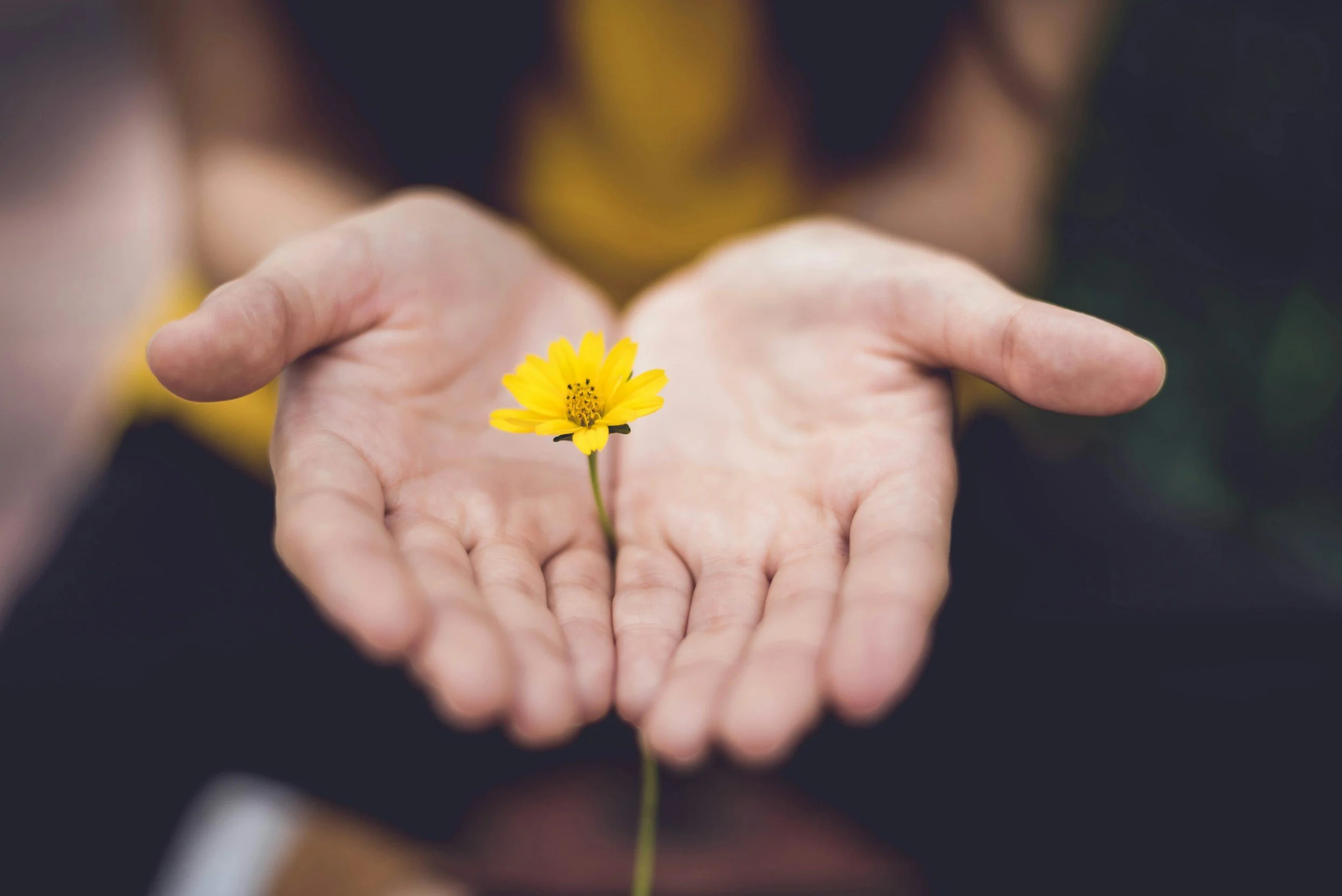
At our core, every one of us carries the desire to be remembered. Not in the sense of fame or recognition, but in the quiet, human way of wanting our lives to have mattered to those we love. Being remembered means that who we were—the way we laughed, the values we carried, the love we gave—continues to live on in the hearts of others. It affirms that our presence left an imprint, no matter how ordinary or extraordinary our days may have seemed. To be remembered is one of the simplest and yet most profound gifts of life.

rhythm of reflection
Reflection is that intentional pause, a way to step off the treadmill for a moment and ask, What really mattered today? When we allow ourselves that pause, even briefly, we begin to see our lives not just as a blur of motion but as a tapestry rich with meaning.
becoming an ancestor
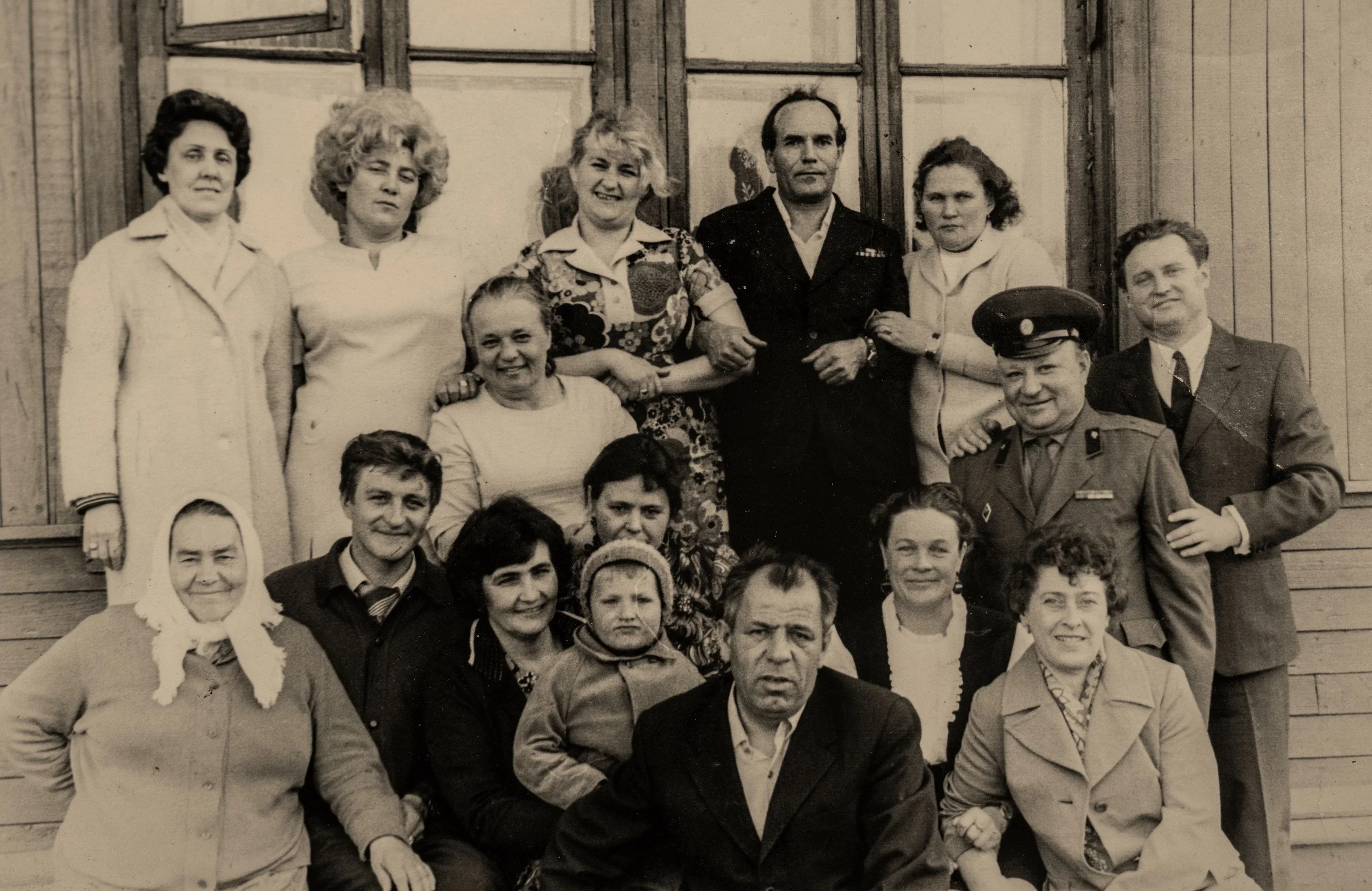
When we think about our ancestors, we often picture faded photographs, a name on a family tree, or stories passed down in fragments. Sometimes those stories inspire us. Other times, we wish we knew more. We wish someone had written down the details, the lessons, the love.

bridges
Stories have a way of closing the distance between us. Even when words feel hard to say aloud, the act of writing them down can create connection—sometimes across miles, sometimes across generations, and sometimes across the invisible spaces in our own families.
Writing doesn’t just preserve memory. It builds bridges.
storytellers in disguise
Walk through any home, and you’ll find objects quietly carrying stories. A chipped mug that belonged to your grandfather. A necklace your mother wore every Sunday. A ticket stub from a concert that changed the way you saw the world.
These items may look ordinary to others, but to you, they are rich with memory. They are storytellers in disguise.
legacy in motion
When we think of legacy, we often picture written words—journals, letters, memoirs carefully tucked away for future generations. Writing is powerful, yes, but it isn’t the only way to pass down a life. Legacy is alive. It can move, sing, and be heard in ways that extend beyond the page.

writing the unsayable
There are stories we tell easily—the funny memories, the lighthearted moments, the achievements that bring smiles all around. And then there are the stories that sit quietly within us, heavy with emotion. These are the ones that feel harder to bring into the light: grief, regret, struggle, or truths that were never spoken aloud.
just another day
We tend to think of life in terms of milestones—the birthdays, graduations, weddings, and retirements that punctuate our journey. These moments are beautiful and worthy of celebration, but they are not the whole of our story. More often than not, it is the ordinary days that hold the most power.
the art of difficult conversations
Let’s be honest—few things can tie our stomachs in knots faster than the words, “We need to talk.”
Hard conversations are, well… hard.
They stir up fear, vulnerability, and often the ghosts of conversations that didn’t go well in the past. Maybe you were dismissed. Maybe you exploded. Maybe you stayed silent, letting the resentment grow quietly.

layers of you
Who would you be if no one was watching?
It’s a powerful question—one that cuts through the noise of who you think you’re supposed to be and gently tugs at the thread of who you actually are. Self-discovery isn’t always about adding more. More knowledge, more skills, more habits. Sometimes, it’s about peeling back the layers. The roles. The expectations. The inherited beliefs.
truth-telling with yourself
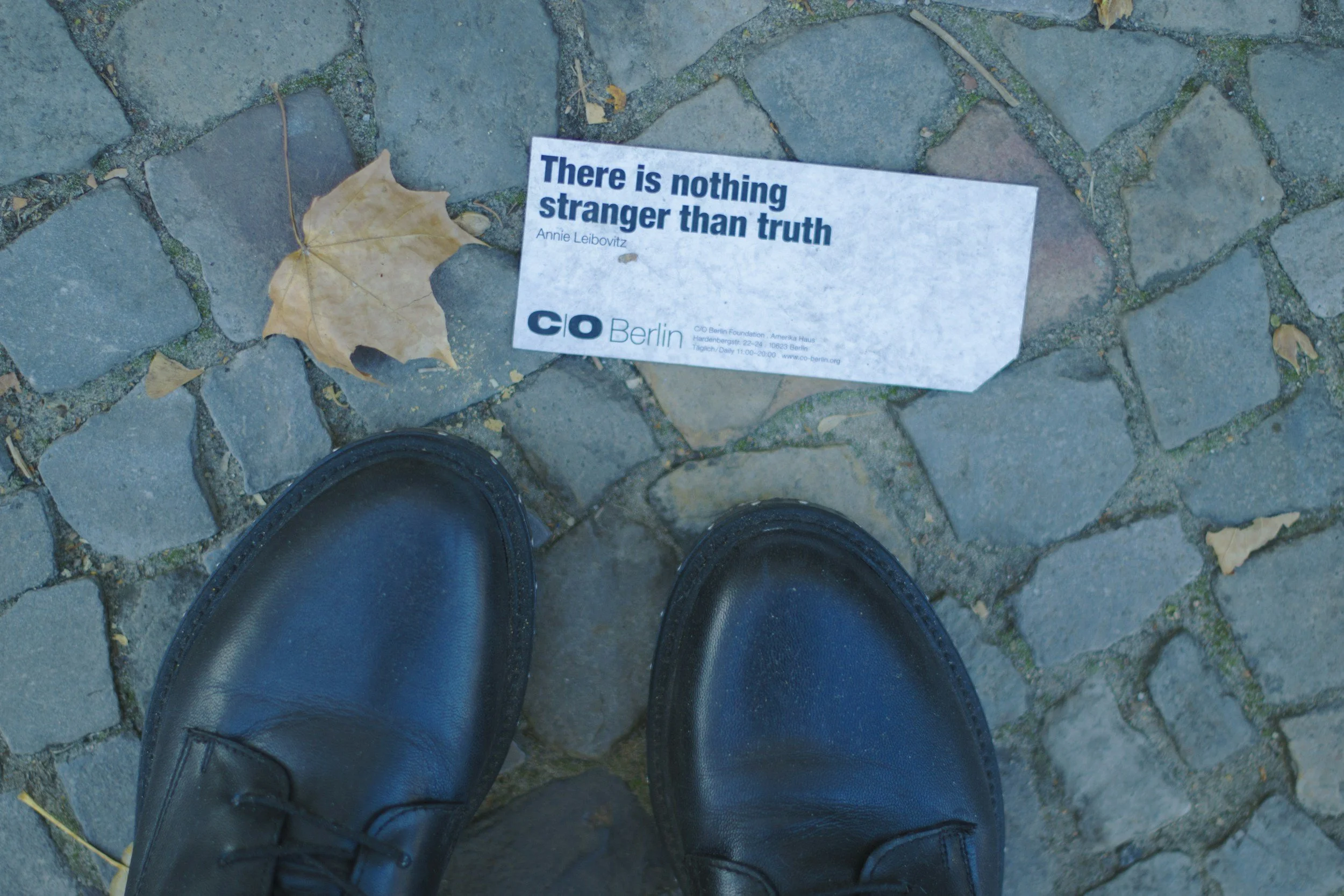
Telling yourself the truth isn’t about fixing yourself. It’s about meeting yourself. Again and again. With compassion. With curiosity. With enough love to say: I want to know you more deeply. I want to live in alignment with who you truly are.
sacred spaces
Our inner lives need space to stretch out. Just like plants grow toward light, our minds and hearts flourish when we’re offered calm, comfort, and intention.
modern traditions
Traditions don’t have to be ancient or elaborate to be meaningful. They can be small, intentional moments we return to—rituals that help us anchor in meaning, celebrate connection, and tell a story of who we are.

your mortality
The Conversation We Tend to Avoid
In our culture, we rarely speak openly about death—especially our own. It’s often cloaked in silence, softened with euphemisms, or pushed into the farthest corners of our awareness. But something profound happens when we stop turning away from mortality and begin to face it with openness and grace: we start living more fully.
you’re not broken, you’re becoming
We often treat self-discovery like a to-do list: read the right books, follow the right practices, unlock some hidden truth—and voilà, we’re “complete.” But real self-discovery doesn’t work like that. It’s not about fixing who you are. It’s about remembering who you’ve always been underneath the noise.
You don’t have to chase a newer, better version of yourself. In fact, the most profound growth often comes when we stop striving and start listening. When we pause long enough to ask: What have I forgotten about myself? What have I buried to keep the peace? What parts of me are still waiting to be invited home?

the bravest thing you can do
There is something incredibly brave about telling the truth—especially when it’s messy, uncertain, or still in progress. Not the truth we tidy up for public consumption, but the raw, unfiltered truth of how we really feel, what we’ve lived through, what we long for. And writing, in all its quiet power, gives us a place to do just that.

letters you will never send
Not every truth needs to be spoken aloud to matter. Not every letter needs a stamp to be powerful. There’s a quiet, time-honored practice that lives in the margins of journals and the back pages of notebooks: writing letters you’ll never send. Letters to loved ones, to estranged friends, to parents—living or gone. Letters to the child you once were, or the future version of you still unfolding. These unsent messages become sacred spaces where unspoken feelings finally have somewhere to land.